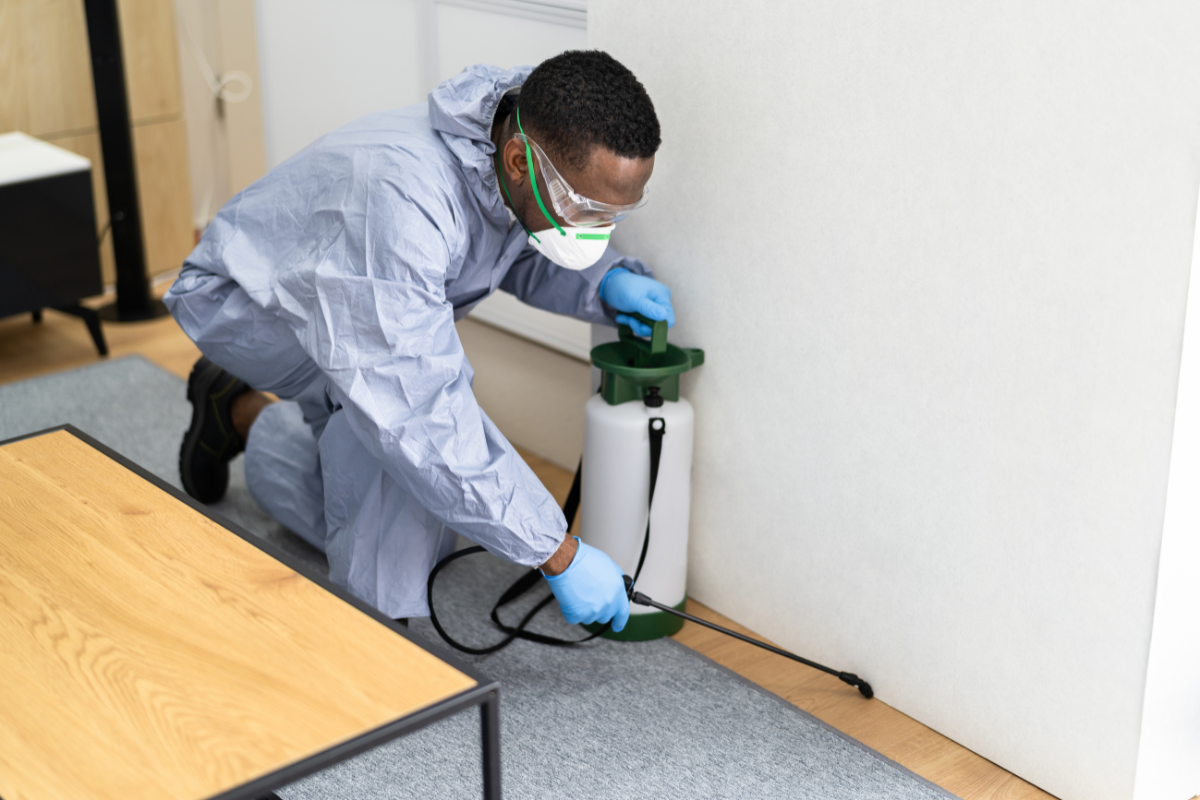
The phone rings at 7:12 on a Tuesday morning. A homeowner woke to a line of ants marching out from a baseboard and wants them gone before company arrives this weekend. She asks for a one-time visit. We schedule it, deploy a bait gel and a non-repellent residual, vacuum up the visible scouts, and the kitchen looks spotless by lunchtime. Two weeks later, she calls again. The ants are back, this time showing up in the pantry. Same house, same species, same pressure from the yard. That morning sums up the central question behind almost every pest control decision: when does a single treatment solve the problem, and when is ongoing service smarter?
I have run crews through apartments, restaurants, warehouses, medical labs, and enough suburban basements to fill a phone book. Some jobs resolve with a focused, one-and-done effort. Others reward only patience, monitoring, and cyclical work. The difference usually lies in biology, building conditions, and habits inside and outside the property. A one-time exterminator service can absolutely be enough, but only if it lines up with how the pest lives and how the structure behaves.
What one-time service actually means
People hear “single visit” and picture a universal spray that erases everything. That is not how a professional exterminator service works, nor should it be. A one-time service is diagnostic and targeted. We interview, inspect, identify, then choose where and what to apply. On a short job, you might see bait placements in discreet cracks, dust introduced into voids, a residual treatment along an exterior foundation, or a mechanical step like vacuuming and exclusion. We leave, and the materials continue to work for days or weeks.
The treatment window matters. Non-repellent ant products may take 3 to 10 days to cascade through a colony. A residual exterior treatment can last 30 to 90 days depending on weather and product. Baits dry out. Dusts persist in dry voids for months. That means a one-time visit is not always a one-day solution. It is a single intervention with a tail.
When a single visit tends to succeed
Patterns emerge if you do this work long enough. Certain scenarios consistently respond well to a limited, precise effort. The key ingredients: a defined source, a pest with short reproductive cycles or limited movement, and conditions you can change with minimal disruption.
- Localized, accessible nests or entry points: A visible yellowjacket nest in a shrub, a paper wasp nest under a soffit, a hornet nest in a tree. Treat and remove. The same goes for a single mouse that came in through a garage door gap the size of two fingers. Seal the gap, set traps, monitor for a week, and you are done. Seasonal invaders with light pressure: Overwintering boxelder bugs on a sunny exterior wall, cluster flies congregating in a specific attic window, or earwigs riding mulch up to door thresholds. A perimeter application and a simple caulk job often buys a full season of relief. Small ant incursions where you can reach the trail and the moisture source: If the colony is in a fence post twenty feet outside and the trail only enters one kitchen corner, well-placed non-repellent bait and a fix for a slow sink drip can settle it. One-off flea or tick events tied to a visiting pet or a possum under the deck. Treat pet, interior carpets, and yard hot spots, then maintain pet prevention. If the wildlife source is removed and you follow vacuuming instructions, follow-up is low. Pantry pests introduced in a single contaminated item, like Indianmeal moths from a bag of birdseed in the garage. Discard the source, vacuum, use pheromone traps as a check, and spot treat cracks in shelves. Simple, effective.
Attempts outside those lanes often disappoint when limited to a one-time effort.
The biology dilemma: why some pests defy single-shot fixes
Cockroaches do not read service tickets, and bed bugs do not respect calendars. You can treat aggressively and still fail if the life cycle does not line up with your visit. The best example is the German cockroach. One gravid female carries around 30 to 40 eggs in an ootheca. Nymphs hatch in batches, and they shelter in deep cracks. If you bait and flush on day one, you do not touch the ootheca carried by the female that was hidden behind the fridge wiring harness. Two weeks later, those nymphs emerge and need fresh bait and targeted dust. Without a follow-up, the population rebounds, hungry and a little wiser.
Bed bugs create a different headache. They feed at night, hide in tufts and seams, and lay eggs that hatched five to ten days later. Heat treatment can be a one-day cure, but only if executed thoroughly with temperature monitoring in tight spaces. Chemical-only bed bug solutions with one treatment rarely hold unless the infestation is truly minimal and your preparation is impeccable. Most professionals build in at least one reinspection and a supplemental treatment to catch the late hatchers.
Termites, especially subterranean species, stretch the timeline further. Even if a one-time application places a non-repellent barrier or a bait station network, control depends on the slow transfer of the active ingredient through the colony. We still call that “one job,” but the effective period and monitoring window run across seasons. Owners sometimes mistake the single contract for a single moment, and expectations misalign.
Rodents straddle the line. A lone mouse can be trapped and excluded fast. A colony with exterior burrows, a bird feeder buffet, and utility penetrations will outlast temporary trapping. Roof rats use tree lines and attics like highways. If you do not prune branches and install proper rodent-proofing around vents, baiting in the attic only treats the symptom.
The structure always tells the truth
Materials and design reveal how easily pests enter and establish. Newer construction with tight seals, modern door sweeps, and proper grading tends to resist reentry. Older homes often have favorable voids, unsealed penetrations, and mixed materials that create layers of hidden spaces. I still remember a 1920s bungalow with plaster-and-lath walls and a basement rim joist you could see daylight through. The owners wanted a one-time ant service. We did it. It helped. But the house was a sieve. Without carpentry and exterior work, those ants had a dozen fresh paths every spring.
Commercial sites create their own signatures. A bakery with a warm, sugary back corner is a drain fly magnet hiding behind the apothecary fridge. A one-time foaming of the floor drains helps, but unless the P-traps are kept hydrated and the biofilm is scrubbed weekly, flies return. In restaurants, sanitation issues at the closing shift undo more pest control than a thousand feet of baseboard treatment can fix.
What a good exterminator company should ask before agreeing to one-time work
A strong pest control company starts with the uncomfortable questions. Not because they want to upsell, but because they want the outcome to match reality.
- What have you seen and when? Frequency and timing help separate a passing event from an established population. Night sightings of multiple roaches or rodents rarely mean a simple fix. Where did you first notice the issue, and has it shifted? Movement patterns point to pathways and hidden sources. What changed recently? New mulch, a roof leak, a tenant with a new pet, a construction project next door, a new bird feeder. Small changes trigger large pest shifts. What is your tolerance and timeline? If family is visiting in two days, we may prioritize knockdown measures and place follow-up on the calendar. If you want long-term suppression, we design an ongoing schedule. What can you reasonably adjust? Some properties cannot alter landscaping or food storage patterns. That limits what a one-time visit can achieve.
Straight answers help tailor either a focused intervention or a maintenance plan. A seasoned pest control contractor will sometimes urge patience or even refuse one-time work if success is unlikely. That honesty saves money and headaches for both sides.
The money question: cost, value, and the false economy of repeat single calls
Owners often treat pest control like an appliance repair. Pay once, problem gone. The reality is more like dental care. You can address a cavity, but habits, structure, and time dictate what comes next. A one-time exterminator service typically costs less up front. Depending on market and pest, you may see a single visit priced between 150 and 350 dollars for common household pests, more for complex treatments like heat. Ongoing quarterly programs for a single-family home often land in the 300 to 600 dollars per year range, with higher tiers adding termite monitoring, rodent exclusion checks, or mosquito suppression.
The false economy appears when you schedule repeated one-time visits for recurring pests. Three or four single ant calls in a year often exceed the cost of a planned quarterly service that prevents new trails and stops colonies from exploiting seasonal moisture. Likewise, ad hoc mouse trapping every winter fails to address exterior sealing. Money flows, and the results never stick.
Value increases when service is strategic. If you live in a condo with a one-off pantry moth incident, paying for a single service is sensible. If you manage a restaurant, betting on one visit to control German cockroaches is a risky wager. The savings from reduced product waste, fewer emergency calls, and better inspection outcomes justify a program.
What matters more than product choice
Customers sometimes ask about brand names and active ingredients. Those matter, but not as much as placement, timing, and cooperation. I have pulled three half-empty bait stations from a single under-sink cabinet and found them bone-dry and dust-covered. Whoever placed them never returned to refresh them or check for feeding. Any product loses when neglected. On the other hand, a modest application of a reputable non-repellent, laid into the right seams and revisited at the proper interval, beats over-application in the wrong place.
Communication is the quiet difference-maker. If your exterminator company explains the life cycle, sets a realistic window for results, and lays out what you need to handle on your side, your odds go up. If they rush, spray, and leave without context, odds go down. A good pest control service feels like a partnership, not a transaction.
Weather, neighbors, and the forces you do not control
Pest pressure rises and falls with the environment. After heavy rain, ground-dwelling insects relocate higher into structures. Drought drives rodents to irrigation lines and shaded eaves. A construction project two blocks away can dislodge rats that then redistribute through utility pathways. If you occupy a townhome or multi-tenant building, your neighbor’s sanitation and maintenance decisions touch you whether you like it or not.
Those conditions do not make single visits useless. They do change expectations. An exterior perimeter treatment in late spring might hold longer than one applied before a rainy week. If your immediate neighbors store spilled birdseed in the garage, your pantry moth problem will not be a singular event. Sometimes the best you can do is keep a protective buffer in place with scheduled service and share education with the building community.
DIY and professional work, how they fit
Some homeowners achieve good results with over-the-counter baits and sticky traps when the problem is minor and the layout is simple. The two biggest mistakes I see: mixing repellent sprays with bait, and placing products where kids or pets can reach them. Spraying along a baseboard in the same areas where you put bait can contaminate the bait and deter feeding, which ruins both approaches. The other mistake is under-inspecting. If you do not get on your knees with a flashlight and look into the back corners, you are guessing.
Professional work adds three things that are hard to replicate: materials and formulations not sold at retail, specialized tools for injection and void dusting, and an experienced eye for the pattern behind the sightings. A pest control contractor crawls attics and subfloors with a purpose, and the difference in result between a general spray and a surgical placement is night and day. For some pests, like termites and bed bugs, DIY rarely saves money once re-treatments and collateral damage are counted.
Case snapshots from the field
A detached garage with a small gap at the overhead door had one mouse entry. The homeowner caught one https://andykcbr990.cavandoragh.org/seasonal-pest-control-tips-to-keep-your-home-bug-free mouse in a snap trap and called. We found a single rub mark at the door jamb, sealed the gap with a commercial-grade threshold, set three traps inside for a week, and inspected again. No droppings, no new rub marks. That was a tidy one-time job.
A ground-floor apartment in a 1970s complex presented three adult German cockroaches in the bathroom at night. The tenant wanted one visit, no follow-up. On inspection, we found droppings in the back of the vanity and under the stove insulation. We recommended a two-visit program two weeks apart. The tenant insisted on one. We baited, dusted voids, and advised on sanitation. Two weeks later the manager called us back for a new work order. Fresh nymphs were present, which we expected. It took two more visits to clean up what could have been handled in two if planned.
A family cabin with carpenter ants showed frass on a windowsill and winged swarmers in spring. One-time interior and exterior treatments quieted activity, but the underlying moisture in the window framing persisted. We recommended flashing repair and caulking. The owner delayed until the fall and saw another round the next spring. This is where building maintenance and pest control live or die together.
How to decide, a practical framework
If you are trying to choose between a one-time exterminator service and ongoing pest control, think in terms of source, scale, sensitivity, and structure.
- Source: Is there a single identifiable source you can remove or treat directly? A nest, a bag of infested grain, one gap in a door, a specific drain. If yes, a one-time service often works. Scale: Are you seeing isolated sightings or patterns that increase over days? If you see multiple life stages, droppings of different sizes, or wide distribution through rooms, you probably need follow-ups. Sensitivity: Are there children, elderly residents, or medical sensitivities that require lower-toxicity approaches with careful monitoring? That often argues for planned, smaller, repeated interventions instead of heavy one-time applications. Structure: Is the building tight and maintained, or porous and complex? Tight structures favor one-time work. Porous ones benefit from routine.
The last piece is your tolerance for recurrence. Some owners prefer to pay less now and call again if needed. Others want a predictable schedule and fewer surprises. Neither is wrong, but they lead to different service designs.
What to expect from a professional one-time visit
If you go the single-visit route, a competent exterminator company should deliver a few non-negotiables. They should perform a thorough inspection with flashlights and mirrors, not a cursory walk-through. They should identify the pest to species when possible, because treatment hinges on biology. They should explain the mode of action and timeline, including what you might see in the coming days. In roach and ant work, increased movement for a short period can indicate successful bait uptake. You should receive preparation instructions and specific steps to support the treatment, such as vacuuming schedules for fleas or drain maintenance for flies. Finally, they should set a clear window for when to call back if activity persists. Even one-time services should include a limited guarantee period. Seven to thirty days is common, tied to the pest and the product used.
The role of prevention between visits
Whether you opt for a one-time exterminator service or an ongoing program, prevention holds the line. Seal utility penetrations with proper materials, not just foam. Install door sweeps that meet the floor evenly. Keep mulch four to six inches below siding and consider a stone strip around the foundation to discourage ant activity. Fix moisture issues fast. Wipe up grease under stove feet and clear food debris in kitchen corners. Inspect delivered goods for hitchhikers, especially bulk grains, pet foods, and plant materials. Simple steps beat heroic treatments every time.
For commercial properties, train staff on closing procedures that actually sanitize, not just wipe surfaces. Empty mop buckets rather than letting them ferment in the back closet. Keep floor drains hydrated and periodically scrub them to disrupt biofilm. Rotate stock with first-in, first-out discipline, and store goods off the floor. A pest control service can coach this, but it sticks only if managers enforce it.
When one time is not only enough, but ideal
There are moments where a single targeted visit is not just adequate, it is the safest and most precise choice. Removing a bald-faced hornet nest with full PPE and a controlled application is far better than running a multi-visit program that leaves aggressive insects in place. Treating a solitary yellow jacket nest before a backyard party is another. Using dust to neutralize a localized carpenter bee gallery, then plugging it with wooden dowels and finishing, cleans up the issue without unnecessary perimeter treatment. The art in pest control is choosing the smallest, most effective action that delivers safety and relief.
The bottom line
A one-time exterminator service can be enough when the pest is localized, the source is identifiable and removable, the building offers few reentry paths, and you can change the conditions that drew the pest in the first place. It is rarely enough for pests with complex life cycles that unfold over weeks, for multi-unit buildings with shared pathways, or for structures with chronic moisture and access issues. If you are uncertain, ask a pest control company to walk the property and share their honest probability of success with a single visit versus a planned program. Insist on specifics. A good contractor will back their recommendation with biology and building science, not just a price sheet.
I have seen homeowners waste money chasing ghosts with one-off visits and others overpay for programs they did not need. The best results come from aligning strategy with reality. Choose the path that respects how pests actually live, how your property actually functions, and how you actually live in it. That is how you turn pest control from a roulette wheel into a manageable part of property care.
Clements Pest Control Services Inc
Address: 8600 Commodity Cir Suite 159, Orlando, FL 32819
Phone: (407) 277-7378
Website: https://www.clementspestcontrol.com/central-florida